A bright, white smile is more than just an aesthetic desire; it's a confidence booster. In the world of teeth whitening, where facts blend with myths, it's crucial to discern what truly works. This blog will illuminate the truths and debunk the myths about teeth whitening, guiding you towards a safer and more effective approach to achieving that coveted Hollywood smile.
Does Baking Soda Whiten Teeth?
Baking soda, a common ingredient found in many pantries, has gained popularity as a natural teeth whitening solution. But how effective is it really? Scientifically known as sodium bicarbonate, baking soda possesses mild abrasive properties that can be beneficial in removing surface stains from teeth. These stains, often caused by foods like coffee, tea, and red wine, can dull the natural whiteness of your teeth. Baking soda’s abrasive action helps in gently polishing away these stains, contributing to a brighter smile.
Moreover, baking soda’s natural alkaline properties are another plus. When used in oral care, it creates an environment that is less favorable for harmful bacteria growth. This not only contributes to better oral health but can also help in reducing bad breath, further enhancing its appeal as a dental care product.
Understanding Limitations and Risks
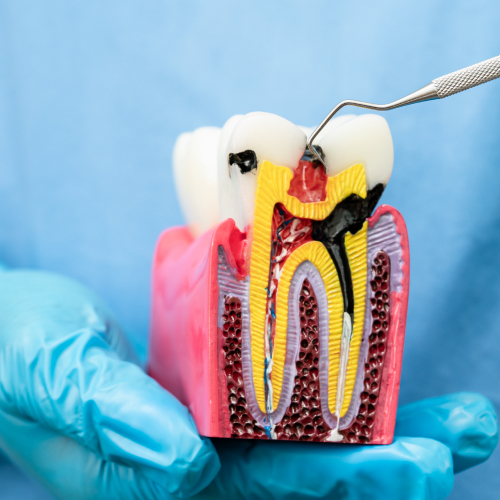
However, it's crucial to approach the use of baking soda with caution. Its abrasive nature, while effective in stain removal, can also be a double-edged sword. Excessive or improper use of baking soda can lead to the erosion of the protective enamel on your teeth. This erosion not only makes your teeth more sensitive but can also make them more susceptible to further staining - a counterproductive outcome for those seeking a whiter smile.
Additionally, baking soda lacks the fluoride that is present in many commercial toothpastes, which is vital for strengthening teeth and preventing cavities. Therefore, relying solely on baking soda for oral hygiene could potentially lead to dental health issues over time.
For those seeking more significant whitening results or individuals with sensitive teeth, professional guidance is paramount. Dental professionals can offer tailored advice and treatments that take into account your unique oral health needs while ensuring the safety and integrity of your teeth. While baking soda can be a helpful tool in your oral care arsenal, it’s best used in moderation and as part of a broader, dentist-approved dental care routine.
Why Do My Teeth Look More Yellow After Whitening?
It's perplexing when teeth appear more yellow post-whitening treatment. This phenomenon can be attributed to two main factors:
Dehydration of Teeth: Whitening treatments can temporarily dehydrate your teeth, making them appear darker or more yellow. This effect is usually short-lived, with normal color returning as your teeth rehydrate.
Removal of Stains: Whitening treatments effectively remove stains, which sometimes exposes the natural color of your dentin (the layer beneath the enamel), which is naturally yellowish. This isn't a sign of damage but rather a revelation of your tooth's true color.
Consulting a dental professional can help you understand your individual response to whitening treatments and tailor a solution that suits your teeth.
Can Whitening Toothpaste Replace Professional Treatments?
In our quest for a brighter smile, many of us turn to whitening toothpastes, readily available and seemingly a convenient solution. These toothpastes typically contain mild abrasives, similar to baking soda, and some form of peroxide. The abrasives work by scrubbing away surface stains from the teeth, while the peroxide can help in bleaching the tooth enamel to a certain extent.
However, it's essential to set realistic expectations when using these products. Whitening toothpastes are effective in removing surface stains caused by foods, drinks, or smoking. They can make your teeth appear whiter by a shade or two over time, but they are unlikely to change the intrinsic color of your teeth. This intrinsic discoloration can be a result of factors like aging, medications, or certain diseases, and is not easily altered by over-the-counter products.
Moreover, similar to baking soda, the abrasive nature of these toothpastes means they should be used cautiously. Overuse can lead to enamel erosion and increased tooth sensitivity, especially if used in conjunction with other abrasive products. Additionally, while some whitening toothpastes are approved by dental associations, others may not meet these standards, making it crucial to choose products wisely and ideally under the guidance of a dental professional.
Professional Treatments: A Safer, More Effective Alternative
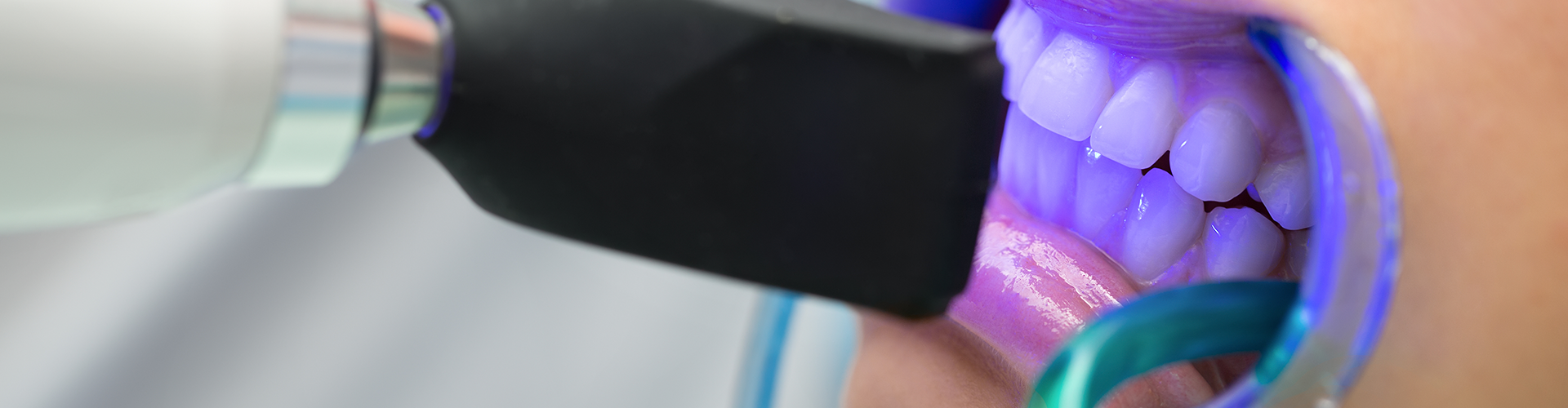
Contrastingly, professional teeth whitening procedures, performed by qualified dental professionals, use higher concentrations of bleaching agents. These treatments can penetrate deeper into the tooth enamel, addressing both surface and intrinsic stains more effectively. They also offer the benefit of being tailored to individual needs, considering factors like tooth sensitivity and overall oral health.
In essence, while whitening toothpastes can be a good maintenance tool to keep your teeth bright after professional whitening, they are not a substitute for professional treatments. Their effectiveness is limited to surface stain removal and minor color corrections. For more significant whitening needs or to address deeper staining, consulting with a dental professional is the best course of action.
How Do Celebrities Get Their Teeth So White?
Celebrities often have access to top-tier dental treatments, which include professional in-office whitening procedures and custom-made whitening trays designed for home use. These treatments, supervised by dental professionals, use higher concentrations of whitening agents than over-the-counter products, providing more dramatic and longer-lasting results.
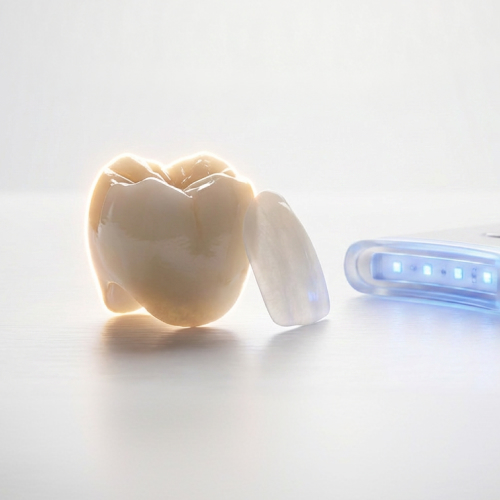
Additionally, celebrities might opt for veneers – thin porcelain shells designed to cover the front surface of teeth, offering a permanently whiter and perfectly shaped smile.
In conclusion, while home remedies like baking soda can offer mild improvements, and over-the-counter products have their benefits, professional dental treatments are the safest and most effective route to a truly dazzling smile. Understanding the science behind teeth whitening and the reasons behind varied results can help set realistic expectations.
If you're seeking a brighter, more confident smile, schedule an appointment with us. Our expert team is dedicated to providing personalized solutions that will safely and effectively bring out the best in your smile. Say goodbye to myths and hello to a radiant, healthy smile that lights up the room!




..png)




..png)
..png)
..png)


..png)