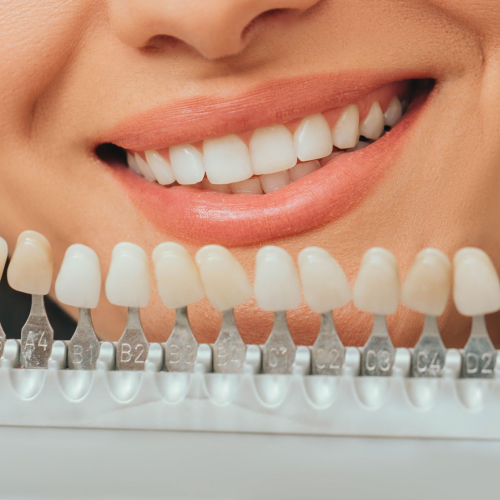
Dental Veneers: How Many Visits, How Much Enamel, and What to Expect
Curious about dental veneers? Learn how many visits it takes, how much enamel is removed, and what to expect. Schedule your consultation in Riverside today!
Read More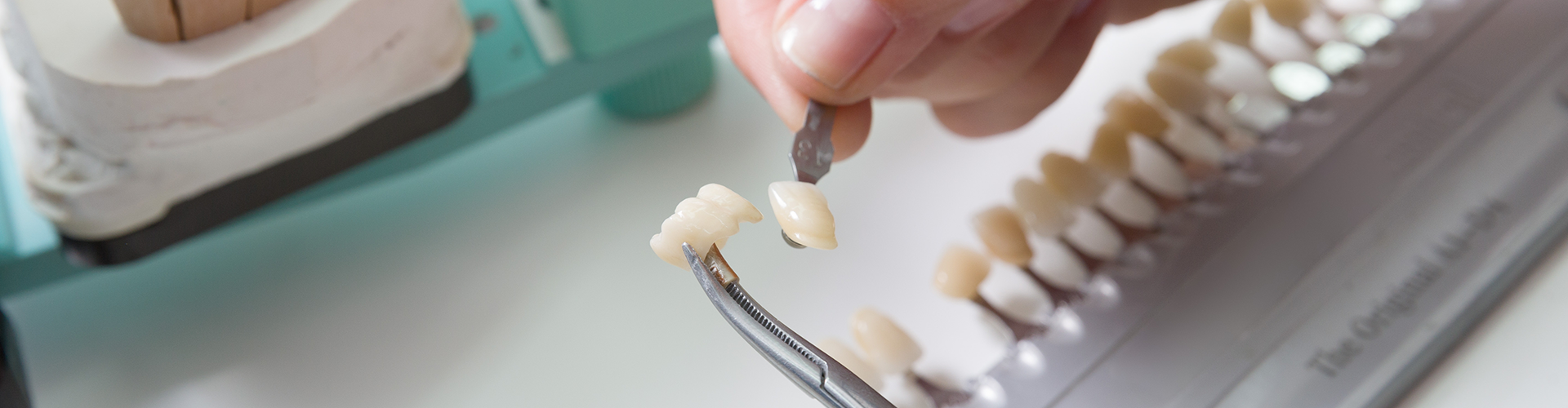
Crowns are a common solution in dental care, providing both functional and aesthetic benefits. However, like any dental procedure, they come with their own set of considerations. In this blog, we'll delve into the nuances of dental crowns, helping you understand the signs of potential issues and the steps you can take to address them.
A dental crown should seamlessly integrate into your mouth, mimicking the feel and function of a natural tooth. When a crown is correctly fitted, it enhances your oral health and comfort. However, there are times when a crown may not fit as intended, leading to a range of symptoms that shouldn't be ignored. Recognizing these signs is crucial for your oral health. Here’s a more detailed look at the key indicators of an improperly fitted crown:
Pain or Sensitivity: Experiencing pain when you bite down, chew, or expose your teeth to hot or cold temperatures is a common red flag. This discomfort can range from a dull ache to sharp pain and usually indicates that the crown isn't aligned correctly with your bite. It's essential to address this misalignment promptly, as prolonged improper fitting can lead to further dental issues.
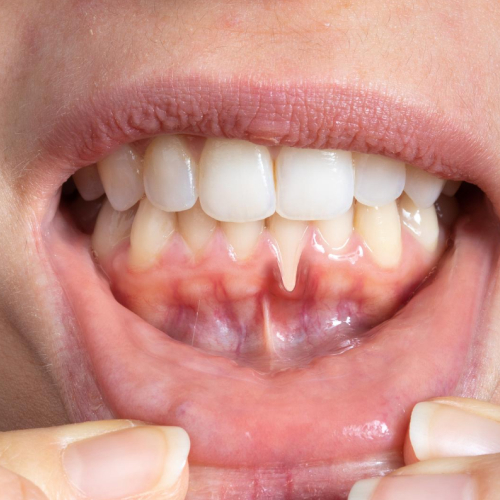
Gum Inflammation: Healthy gums should not be negatively affected by a dental crown. If you notice redness, swelling, or tenderness around the crowned tooth, it could be a sign of irritation caused by the crown. This inflammation can be due to an excess of dental cement used in the fitting process or a crown edge that impinges on the gum tissue. Persistent gum irritation can lead to more severe gum problems if left unchecked.
Loose Feeling: A crown should be firmly affixed to your tooth. If it feels loose, wobbly, or like it might come off, this is a definite sign that it’s not fitting properly. A loose crown can be a breeding ground for bacteria, increasing the risk of tooth decay and infection. It's crucial to have it re-secured or replaced to avoid further dental complications.
Difficulty Chewing: If chewing becomes a chore or causes discomfort after getting a crown, this is a strong indication that the crown isn't fitting right. An ill-fitting crown can alter your bite, leading to discomfort and even jaw pain. It can also affect how you eat, potentially leading to avoidance of certain foods, which in turn can impact your nutrition.
Altered Speech: Although less common, some patients might notice a change in their speech, such as a lisp, after getting a crown. This could happen if the crown is too thick or not shaped correctly, affecting your tongue's movement and speech patterns.
Visible Gaps: Using a dental mirror, you might be able to spot gaps between the crown and the gum line or adjacent teeth. These gaps are not just aesthetic concerns but also potential spaces for food particles and bacteria to accumulate, leading to decay and gum disease.
Aesthetic Concerns: Sometimes, a crown might not match the color of your adjacent teeth or might appear unnaturally shaped. While this doesn't necessarily indicate a functional issue, it's important for your confidence and satisfaction with your smile.
If you're experiencing any of these symptoms, it’s important not to delay consulting with your dentist. They can assess the fit of your crown, perform necessary adjustments, or, if needed, replace the crown entirely. Remember, addressing these issues early can save you from discomfort and potential oral health complications in the future.
Noticing a black line around your dental crown can be concerning. Typically, this discoloration can be attributed to one of the following:
Metal Liner Exposure: If your crown has a metal liner, the black line might be the metal showing through, especially if the gums have receded.
Decay at the Margin: This can occur if the crown does not fit snugly, allowing bacteria to accumulate and cause decay.
Tarnishing of Metal Components: Some crowns have metal parts that can tarnish over time, leading to a dark line.
Regular dental check-ups are crucial for early detection and treatment of these issues. If you notice blackening around your crown, schedule an appointment with your dentist for a thorough evaluation.
Tooth decay beneath a crown is a significant concern that requires prompt and careful attention. While it poses a challenge, with the right approach, it can be effectively managed and resolved. The process to address decay under a crown is meticulous and involves several critical steps:
Removal of the Crown: The first step in addressing decay under a crown is the removal of the existing crown. This process is done with great care to avoid damaging the underlying tooth structure. Your dentist will use specialized tools to gently lift and remove the crown. In some cases, if the crown is firmly attached or if the underlying tooth structure is fragile, this step requires considerable skill to ensure minimal impact on the tooth.
Assessment of Underlying Decay: Once the crown is removed, your dentist will thoroughly assess the extent of the decay. This assessment is crucial as it determines the next steps in treatment. Sometimes, an X-ray or other diagnostic tools may be used to gauge the depth and severity of the decay, ensuring a comprehensive understanding of the condition.
Decay Removal: After assessment, the decayed area is carefully removed. This step is performed with precision to ensure all decay is eliminated while preserving as much healthy tooth structure as possible. The removal process often involves using fine dental instruments and could vary in complexity depending on the extent of the decay.
Tooth Preparation: Preparing the tooth for a new crown is a critical step. If there's enough healthy tooth structure remaining, your dentist will shape and condition the tooth to ensure the new crown can be securely and comfortably fitted. This might involve smoothing out rough edges, reshaping the tooth, or building up the tooth structure with filling material if significant tooth material was lost due to decay.
Impression and Crown Fabrication: An impression of the prepared tooth is then taken, which will be used to create a new crown that fits perfectly. This step is vital to ensure that your new crown will align correctly with your bite and adjacent teeth. The fabrication of the crown is typically done in a dental lab, and may involve choices regarding the material of the crown based on aesthetic and functional considerations.
Temporary Crown Placement: In the interim, while your new crown is being fabricated, a temporary crown may be placed to protect the prepared tooth. This temporary crown is designed to be a short-term solution, ensuring the protection and functionality of your tooth until the permanent crown is ready.
New Crown Placement: Once your new crown is ready, your dentist will place it onto your tooth, ensuring a proper fit and seal. The crown is then securely bonded to your tooth. After placement, your dentist will check your bite and make any necessary adjustments to ensure comfort and proper function.
Post-Procedure Care and Prevention: After the procedure, your dentist will provide you with care instructions for your new crown. This includes maintaining good oral hygiene practices, avoiding certain foods temporarily, and perhaps follow-up visits to ensure the crown is functioning well. Preventive care is also emphasized, including regular dental check-ups, proper oral hygiene, and minimizing the consumption of sugary foods to prevent future decay under the crown.
Dealing with decay under a crown requires a combination of skilled dental techniques and patient cooperation in follow-up care and prevention. By addressing the issue promptly and following through with proper care, you can maintain a healthy and functional smile.
We're committed to ensuring your dental health and comfort. If you're experiencing any issues with your dental crown or have concerns about your oral health, don't hesitate to reach out. Our team of experienced professionals is here to provide you with the care and advice you need. Schedule your appointment today and take the first step towards a healthier, happier smile.
Fresh news from the dental world


Mon, Tues, Thur 9AM - 6PM
Weds 10AM - 7PM
Friday 8AM - 5PM
Sat & Sun Closed
Check out what our patients are saying in Riverside...


“What a Difference...”
“My wife and I recently decided to try teeth whitening here. Wow! What a difference. Thank you!”

“So Comfortable...”
"I have been coming here for years and I love this place. I feel so comfortable whenever I go into ortho. Everyone's really friendly! The ladies at the front desk are my favorite, they're always so helpful and always try their best to work around my schedule. Would definitely recommend!"

“Expert Care...”
“I have come a long way with all my dental issues. I’ve been able to take back control of my dental health because of the expert care I’ve received over the years at Dental Specialists of Riverside. I highly recommend this place because they won’t pressure you into stuff that you don’t need or that you are not ready for.”
..png)
“Never Disappointed...”
“I don’t have much time to waste, so I always get my whitening done by the good folks at Dental Specialists of Riverside. Never disappointed.”
“What a Difference...”
“My wife and I recently decided to try teeth whitening here. Wow! What a difference. Thank you!”
“So Comfortable...”
"I have been coming here for years and I love this place. I feel so comfortable whenever I go into ortho. Everyone's really friendly! The ladies at the front desk are my favorite, they're always so helpful and always try their best to work around my schedule. Would definitely recommend!"
Check out our accreditations, sources, and relationships in the wide world of dentistry...
..png)
..png)
..png)
Check us out and follow our Riverside, CA practice on social media...


..png)