Maybe it’s that small chip that never quite stopped bothering you. Or the slight gap that only you seem to notice, but always in photos. Or maybe you just want a brighter, more even smile without the upkeep of whitening strips and filters.
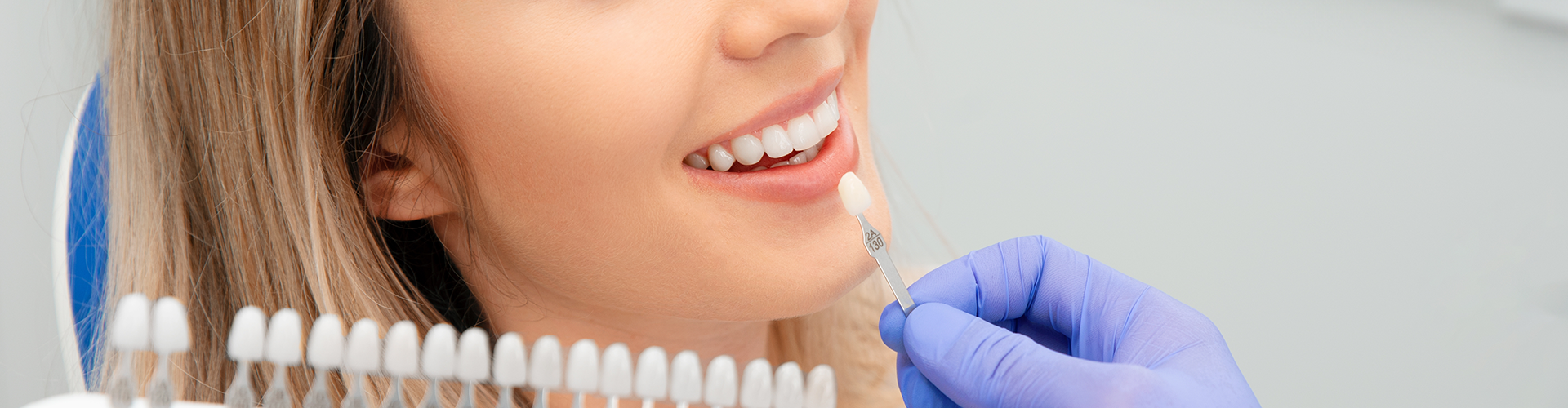
Veneers have become the go-to solution for people who want a confident, camera-ready smile without undergoing major dental work. But what’s it really like to have veneers? Do they feel like your natural teeth? Are they high-maintenance? And how do you take care of them in the long run?
At Dental Specialists of Riverside, we’ve worked with countless patients who are either curious about veneers or already living with them—and the truth is, there are a few things most people don’t hear until they’re already in the chair. So we’re pulling back the curtain.
Are veneers high maintenance?
Short answer: not really.
Long answer: it depends on how you define “maintenance.”
Veneers don’t demand an intense, high-effort routine—but they do deserve a bit more care than you might be used to. Think of them like a designer piece in your wardrobe: they’re not fragile, but they aren’t meant for rough handling either.
While they’re designed to be durable, veneers aren’t completely invincible. They can chip or wear down if treated carelessly—so the best way to keep them in top shape is to think of maintenance as protection, not pressure.
Here’s what proper veneer maintenance actually looks like:
- Brushing twice a day with a soft-bristled toothbrush to keep your teeth clean and your veneers shining
- Flossing daily (we know, it sounds annoying, but it’s non-negotiable if you want healthy gums and a longer veneer lifespan)
- Wearing a night guard if you tend to grind your teeth while sleeping—grinding can put pressure on the veneers and shorten their life
- Seeing your dentist regularly, ideally every six months, so we can check for any issues early and keep everything looking and functioning its best
What you don’t need? A complicated 7-step skincare-like dental routine, special tools, or expensive products.
And here’s the best part—porcelain veneers are stain-resistant. So if you're worried about your love of coffee, tea, or the occasional glass of wine, rest easy. While it’s still wise to avoid overdoing dark-colored drinks or staining foods, veneers hold their color far better than natural enamel. That means no more endless whitening treatments or being self-conscious after sipping your morning brew.
But just because they resist stains doesn’t mean they’re immune to damage. You’ll still want to be cautious with habits like:
- Biting your nails
- Chewing on ice, pens, or other hard objects
- Using your teeth to open packages (please don’t—we’ve seen it all)
- Eating very sticky or hard foods without a bit of mindfulness
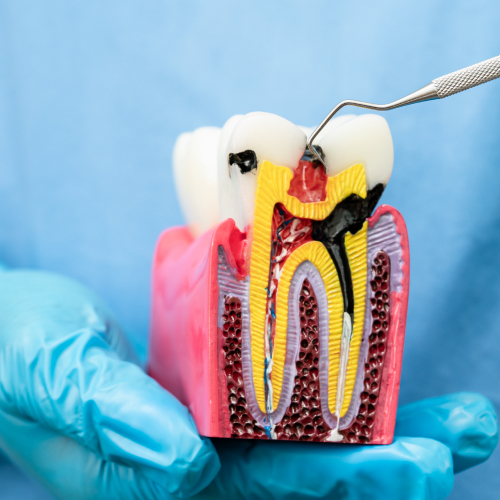
It’s also worth noting that while the veneers themselves don’t decay, the natural tooth underneath still can. That’s why your daily routine matters. The better your oral hygiene, the longer your veneers—and your natural teeth—will last.
In the end, maintaining veneers isn’t a burden. It’s just about being intentional. A few small, smart habits go a long way toward protecting your investment and keeping that smile stunning for years to come.
So no, veneers aren’t high-maintenance. But they do love a little TLC—and trust us, they give it right back.
Do you brush your teeth with veneers?
Yes, absolutely. In fact, brushing your teeth properly becomes even more important after getting veneers.
While veneers cover the front of your teeth, the rest of your mouth—including your gum line, tongue, and the back of your teeth—still needs the same care it always has. Not brushing would be like installing a beautiful hardwood floor and then never sweeping it. You may not notice the grime at first, but it builds.
Here’s how to brush with veneers without damaging them:
Brushing keeps your natural teeth healthy and your veneers looking flawless. Think of it as a daily refresh for your investment.
What toothpaste is best for veneers?
Not all toothpastes are created equal, especially when you have veneers.
Some whitening toothpastes contain abrasive agents like baking soda or hydrogen peroxide. While these might lift surface stains from natural enamel, they can gradually wear down the glaze on porcelain veneers and cause them to look dull over time.
What should you look for instead?
- Low-abrasion toothpaste: Look for ones labeled as safe for cosmetic dental work or specifically for veneers.
- Fluoride content: This still helps protect the parts of your natural teeth that are exposed (especially near the gumline).
- No harsh whitening agents: A whiter smile is great, but preserving the luster of your veneers matters more.
Some dentist-recommended brands to consider include Sensodyne Pronamel, Tom’s of Maine Fluoride Toothpaste, and Colgate Enamel Health.
When in doubt, bring your toothpaste to your next appointment and ask us. We love geeking out about this stuff.
A Few Things You Might Not Expect About Veneers
If you’re still weighing the decision or new to life with veneers, here are a few little truths no one talks about—but you’ll be glad to know:
1. You’ll want to smile more.
People often think veneers are just for others to admire, but most patients tell us they feel so much better about their smiles that they start showing it off more—whether it’s laughing freely or taking selfies without retakes.
2. You’ll notice small habits you never paid attention to.
Chewing on your nails? Ripping open snack bags with your teeth? That ends quickly once you realize your veneers are too pretty to ruin.
3. They don’t feel “fake.”
After the first week or two, most patients completely forget they even have veneers. The fit, shape, and color are customized to blend perfectly. No one will be able to tell—not even you most of the time.
4. They don’t last forever, but they last a long time.
Porcelain veneers typically last 10 to 15 years, sometimes even longer with good care. Composite veneers may need touch-ups sooner. Either way, you’ll get plenty of mileage.
5. You still need to see your dentist.
Veneers can cover imperfections, but they don’t prevent cavities or gum disease. Regular checkups help ensure everything under the surface stays healthy.
Thinking About Veneers?
If you’ve been wondering whether veneers are the right move for you, or you’re just tired of hiding your smile, our team at Dental Specialists of Riverside is here to walk you through every step. We’ll answer all your questions, help you explore your options, and make sure you feel confident from the first consultation to the final result.
Because veneers aren’t just about perfect teeth. They’re about feeling good when you show up to your own life. Let’s talk about your smile. Schedule an appointment today.



..png)




..png)
..png)
..png)


..png)